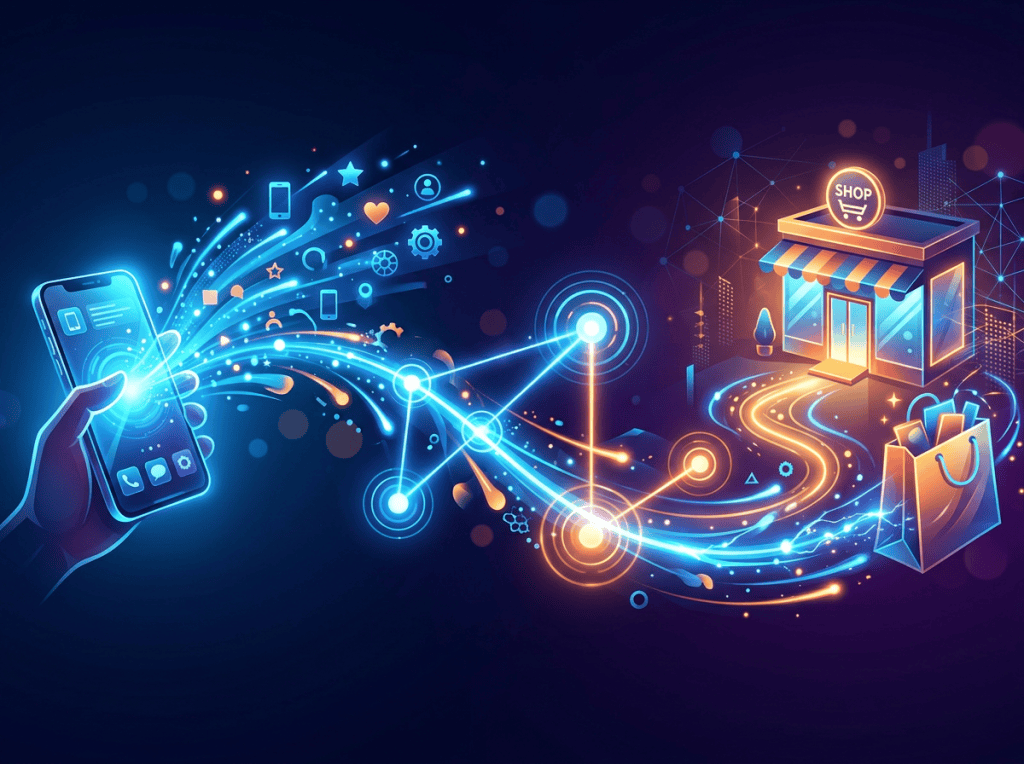
Mobile phones and tablets are part of everyday life, but choosing a device or understanding its features can feel confusing. This site is here to share the essentials in brief, straightforward language.
Whether you are comparing devices, learning about useful features, or just trying to make sense of the latest mobile technology, take a look around and find the information that helps you most.
Blog Draft: Why Mobile Devices Surpass Traditional Marketing
Headline: Beyond Billboards: How Mobile Technology Enhances Customer Engagement
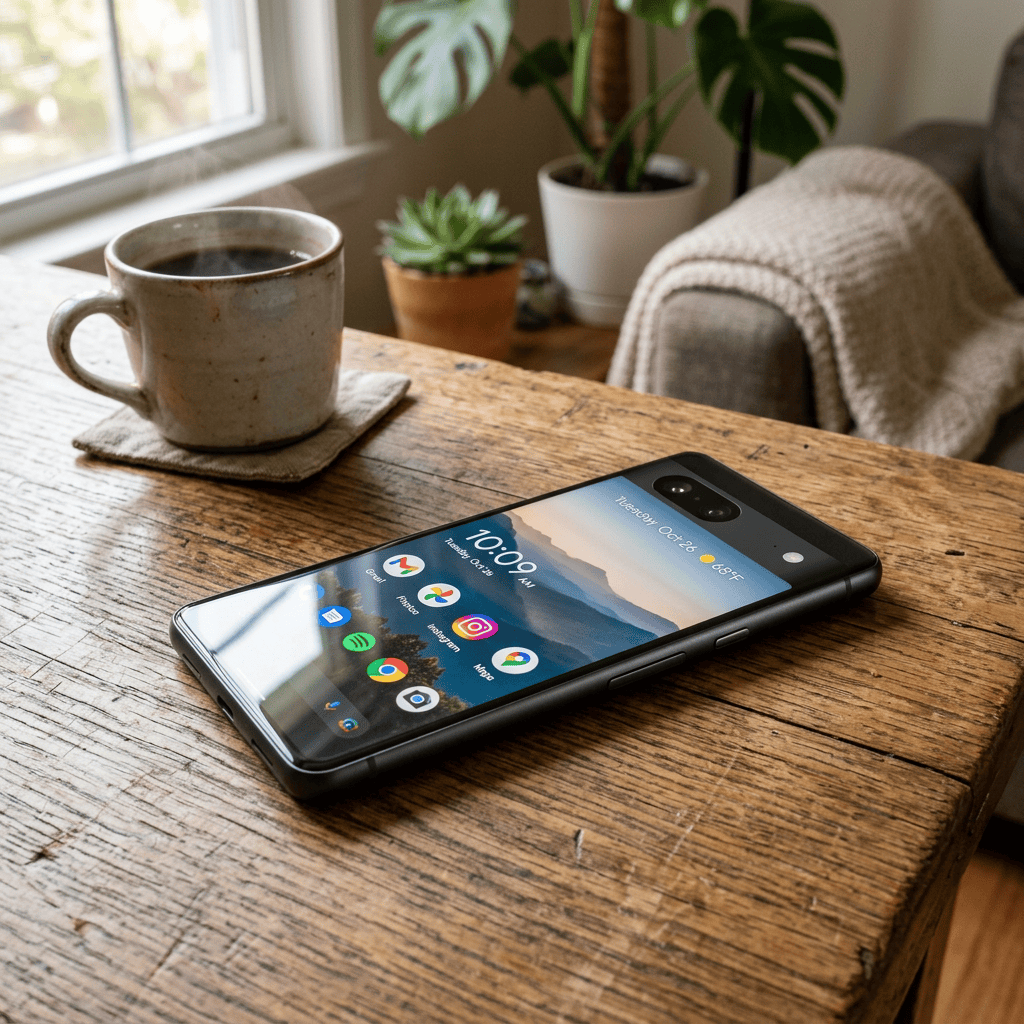
Traditional marketing methods—such as print advertisements, billboards, and television commercials—transmit one-way messages to wide audiences. Mobile devices like smartphones and tablets transition marketing from passive broadcasting to immediate, interactive communication. Since individuals keep their devices close throughout the day, brands can connect with consumers contextually, assess campaign effectiveness with greater precision, and often do so in a more cost-efficient manner than traditional media.
Driving Sales and Brand Awareness
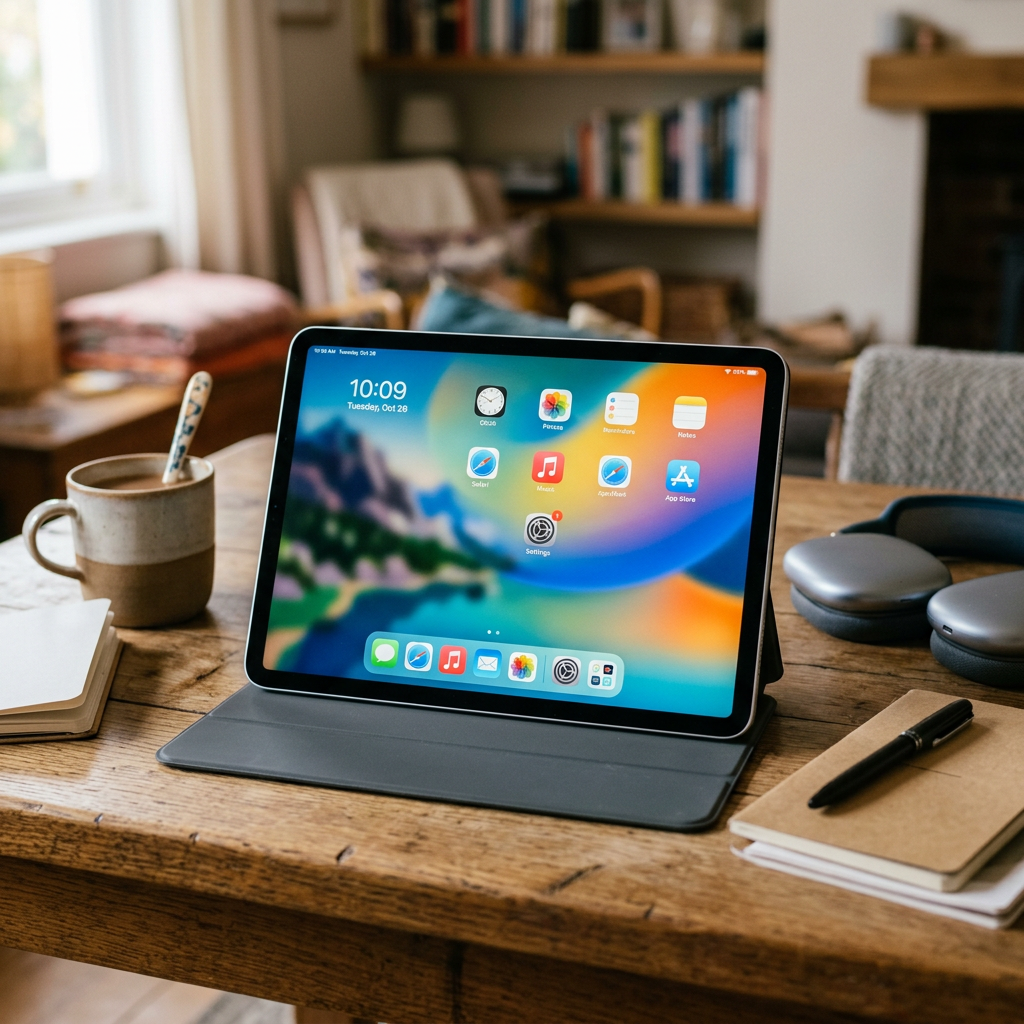
Mobile devices help brands stay visible while shortening the path to purchase. Social feeds, mobile search, and rich media ads introduce products where users already spend their time, while direct links and mobile checkouts let shoppers buy quickly instead of waiting until they visit a store or desktop computer. As Investopedia notes, mobile marketing uses device features and behavioral data to deliver timely, targeted messages rather than relying solely on broad demographics.
Reaching the Point of Sale, Fostering Interaction, and Building Loyalty
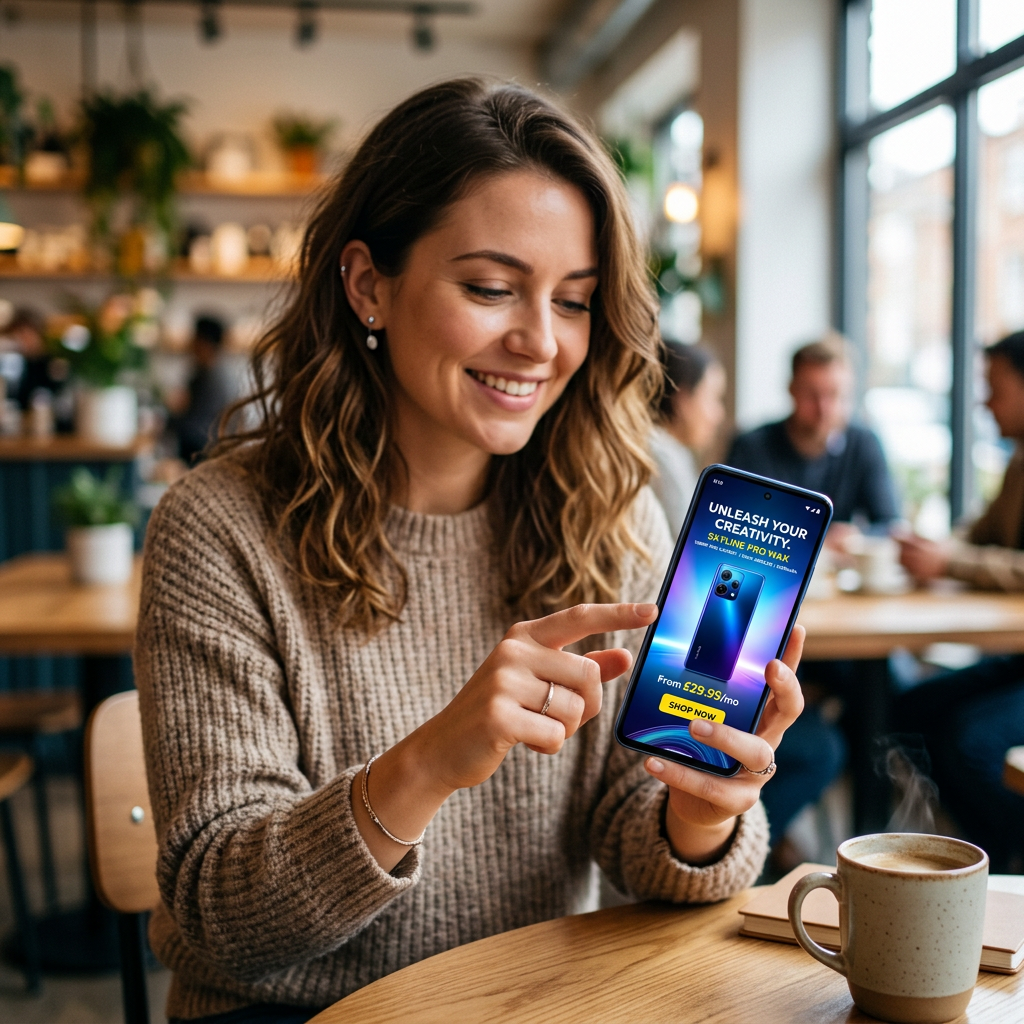
Mobile campaigns link online engagement to in-person and in-app behaviors in three effective ways which are point of sale, where geolocation and local search can provide timely promotions or directions to stores when a shopper is in the vicinity or exploring within the store, prompting immediate purchases. Interaction-marketing channels, such as SMS sign-ups, push alerts, and in-app invitations encourage two-way communication, feedback, and lead acquisition. Customer loyalty is enhanced through mobile applications and digital rewards schemes that monitor repeat visits and customize benefits or reminders to maintain customer return.

How They Track and Drive Repeat Visits
Real-Time Tracking & Wallet Integration for customers earn points, stamps, or cash back automatically via a mobile app or a digital pass in Apple Wallet or Google Wallet—eliminating lost paper punch cards. Seeing balances update right away creates instant gratification. Tiered Milestones & Gamification is for progress bars, loyalty tiers, and bonus point challenges turn routine shopping into a goal-oriented experience. Customers often add an extra item or make another visit just to reach the next perk level. Behavioral Data Insights are every scan or app order that shows what customers buy, how often they visit, and what they spend. Businesses use this data to spot repeat patterns and understand which products drive return trips.

References
• Investopedia – Mobile Marketing: Strategies, Benefits, and Real
• Forbes Agency Council – Five Reasons Mobile Marketing Is Becoming Even More Important

Author: Jalen Hodges


Leave a Reply